

🦷 Veterinary Dental Care
Healthy Teeth, Happy Pets, Healthier Lives!
At South Texas Veterinary Care, we believe a healthy smile is an important part of your pet’s overall health and well-being. Just like humans, dogs and cats need regular dental care to prevent plaque buildup, periodontal disease, infections, and painful dental conditions.
Dental disease is one of the most common health problems affecting pets, and when left untreated, it can lead to chronic pain, tooth loss, and infections that may affect their overall health.
Our goal is to provide safe, comprehensive, and compassionate dental care to keep your furry family members comfortable, healthy, and smiling!
Our Dental Services Include:
🦷 Comprehensive Oral Examinations
We carefully evaluate your pet’s teeth, gums, and oral cavity to identify signs of dental disease, fractured teeth, infections, and other abnormalities.
✨ Professional Dental Cleanings
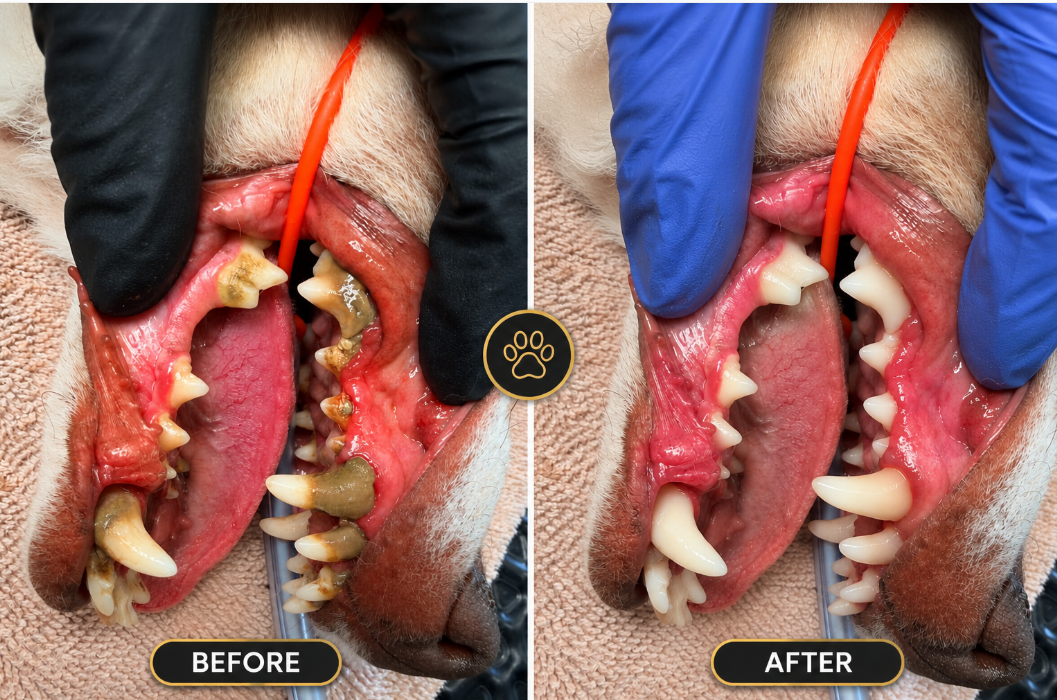
Our dental cleanings are performed under general anesthesia, allowing us to safely remove plaque and tartar above and below the gumline, polish the teeth, and thoroughly evaluate oral health.
🩻 Digital Dental Radiographs (X-Rays)
Many dental problems hide beneath the gumline. Digital dental X-rays allow us to evaluate tooth roots, surrounding bone, and conditions that cannot be detected during a visual examination alone.
🐾 Tooth Extractions & Oral Surgery
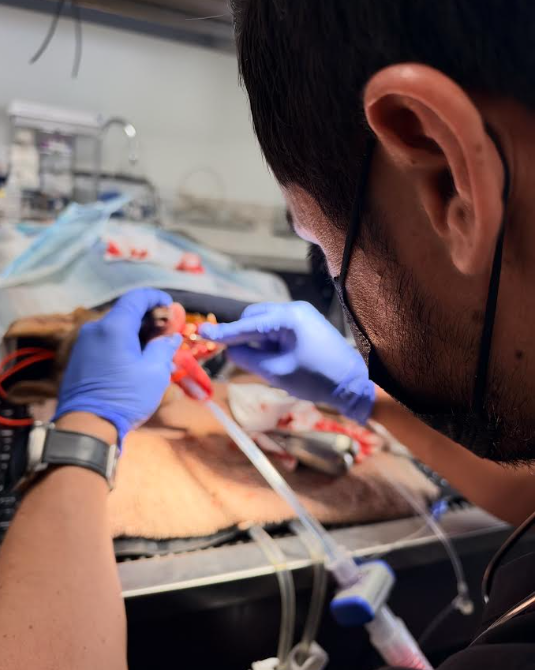
When teeth are severely damaged, infected, or causing pain, our veterinary team can perform necessary extractions to help restore your pet’s comfort and quality of life.
❤️ Anesthesia & Patient Monitoring
Your pet’s safety is our priority. We develop individualized anesthetic protocols and closely monitor vital signs throughout dental procedures.
🪥 Preventive Dental Care & Home Care Education
We provide personalized recommendations for at-home brushing, dental products, and preventive care to help maintain healthy teeth and gums between professional cleanings.
Signs Your Pet May Need Dental Care
- Persistent bad breath
- Yellow or brown tartar buildup
- Red, swollen, or bleeding gums
- Difficulty chewing or dropping food
- Excessive drooling
- Loose, broken, or missing teeth
- Pawing at the mouth or facial discomfort
Don’t wait until your pet shows signs of pain! Many pets continue eating and behaving normally despite significant dental disease.
 Spanish
 English